
What Is a Rigid Box Making Machine Used For?
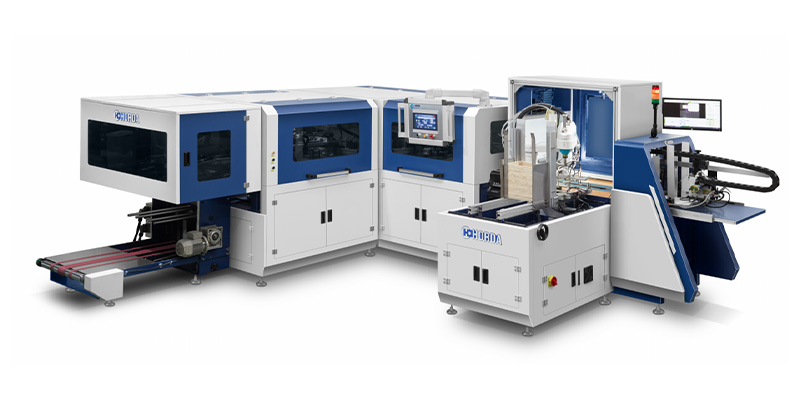
A rigid box making machine is used to produce wrapped greyboard components for gift boxes, cosmetics packaging, wine presentation boxes, hardcover cases and other rigid packaging. Depending on its configuration, it can feed cover paper, apply glue, position boards and fold the paper around their edges. Some lines also add an inner lining. Suitable products depend on the machine’s size range, board layout and finishing capabilities.
What Does the Machine Actually Produce?
For a case-making configuration, the output is a wrapped outer cover or rigid panel assembly. Producing the box tray, installing magnets and joining the components may require additional processes.
What Products Can a Rigid Box Making Machine Produce?
A case-making machine can produce the wrapped covers and panels used in several types of rigid packaging. The application name describes where the component is used; the machine’s specifications determine whether it can process the actual design.
Gift and Presentation Boxes
Wrapped outer cases for book-style gift boxes, presentation packaging and similar designs. The interior tray may be manufactured separately.
Cosmetics and Perfume Packaging
Rigid covers for beauty gift sets and fragrance packaging. Small panels, narrow joints and delicate cover finishes need particular attention.
Wine and Spirits Gift Boxes
Outer cases for bottle presentation boxes. Large formats and multi-panel covers must fit the machine’s working range and board-feeding capability.
Hardcover and Stationery Products
Compatible covers for books, albums, folders and desk calendars. Case making prepares the cover; binding and final product assembly follow separately.
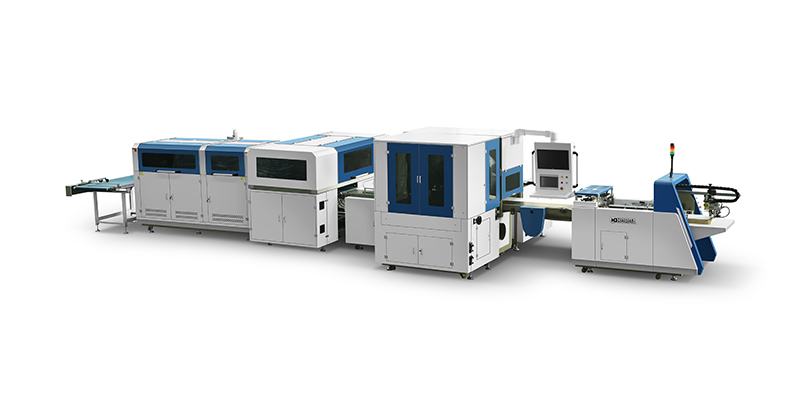
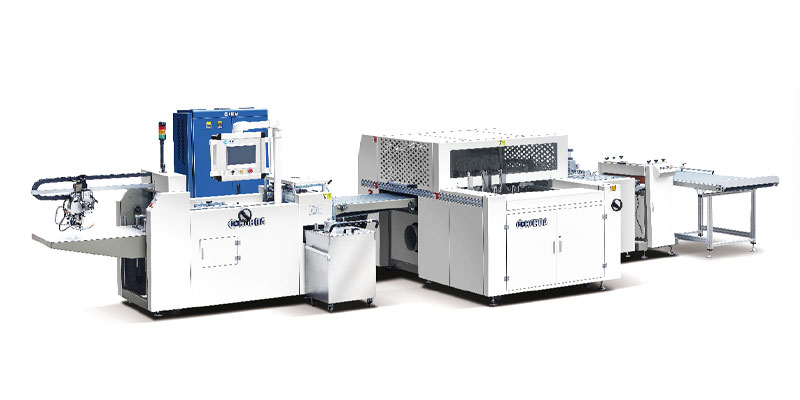
HORDA’s rigid box making machine range includes case-making equipment and integrated case-making and lining lines for these applications. The appropriate configuration depends on the component structure and required output.
Can One Machine Make Different Types of Rigid Boxes?
Yes, one machine can process different case designs when their dimensions, materials and board layouts fall within its capabilities. Changing products normally requires adjustments to feeding, positioning and folding settings.
For example, gift packaging and cosmetics packaging may use a similar multi-panel cover structure. A compatible case maker can process both, even though their finished appearance and contents differ.
- Different sizes: Both the largest and smallest jobs must fit the working range.
- Different layouts: The machine must support the number of boards, panel widths and joint gaps.
- Different materials: Board thickness, cover paper and surface finishes must suit feeding, gluing and folding.
- Different structures: A flat outer case and a three-dimensional tray require different processing capabilities.
A machine’s ability to make several cover styles does not mean it can automatically produce every rigid box structure.
Can a Rigid Box Machine Process Hardcover Cases?
Yes. A compatible case-making machine can wrap greyboard panels to produce hardcover cases for books, albums and related products.
A typical hardcover case uses front and back boards with a spine section. The machine positions these pieces on glued covering material, leaves the specified joint gaps and folds the outside margins around the edges.
The finished case still needs to be joined to the book block or other interior component. Endpaper attachment, casing-in and binding are separate operations unless explicitly included in the production system.
Can It Make Magnetic Box Covers?
Yes, it can make the wrapped multi-panel cover of a magnetic box if the layout is compatible. Magnet installation and complete box assembly are not automatically included.
A magnetic-closure design may include front, back, spine and closure-flap panels. The case maker establishes their positions and wraps the covering paper around the outer edges.
Check These Operations Separately
- Preparing magnet holes or recesses.
- Installing magnets or matching metal plates.
- Applying the interior lining sheet.
- Attaching the tray and checking closure alignment.
The sequence depends on the box design. Confirm how magnets are concealed and which operations take place before or after cover wrapping.
Which Production Steps Can It Complete?
A typical automatic case maker combines paper feeding, gluing, greyboard positioning and edge folding. An integrated line may continue directly into inner lining.
- Paper feeding: Separates prepared cover sheets and supplies them to the gluing section.
- Gluing: Applies adhesive to bond the cover paper to the board.
- Board positioning: Establishes panel alignment, joint gaps and covering margins.
- Edge folding: Turns and presses the paper margins around the board edges.
- Optional inner lining: Bonds an interior sheet to finish the inside surface.
Inner lining can also be handled by a separate case lining and laminating machine. Board cutting, printing and other material-preparation steps generally take place upstream.
What Is the Difference Between a Rigid Box Machine and a Box Assembly Machine?
A case-making machine creates the wrapped cover; a box assembly machine joins prepared components into the specified box structure. Equipment names vary, so the included operations matter more than the label.
- Case-making input: Prepared cover paper and greyboard pieces.
- Case-making output: A wrapped case, with inner lining where included.
- Assembly input: Prepared covers, trays, side panels or other components.
- Assembly output: A joined box structure, according to the assembly system’s scope.
For a book-style gift box, case making produces the outer cover. A later operation attaches the inner tray. Inserts and closure components may require further work.
How Do You Match a Machine to Your Product Range?
Match the machine to your actual component drawings, materials and required processing steps. “Gift box” or “cosmetics box” alone does not provide enough detail to select equipment.
- Define the output: A wrapped case, lined case or assembled box.
- Check size limits: Include the smallest panels and narrowest spine or side-board sections.
- Confirm the board layout: Specify board quantity, thickness, spacing and any special shapes.
- Identify cover materials: Include paper weight, coating, lamination and surface sensitivity.
- List additional operations: Clarify lining, magnet installation, tray attachment and insert fitting.
- Test representative jobs: Check feeding stability, positioning, corners, bonding and accepted output using actual materials.
If your range includes both small perfume covers and large wine presentation cases, test those size extremes as well as a routine job. This shows whether one configuration can handle the range and how much adjustment each changeover requires.